
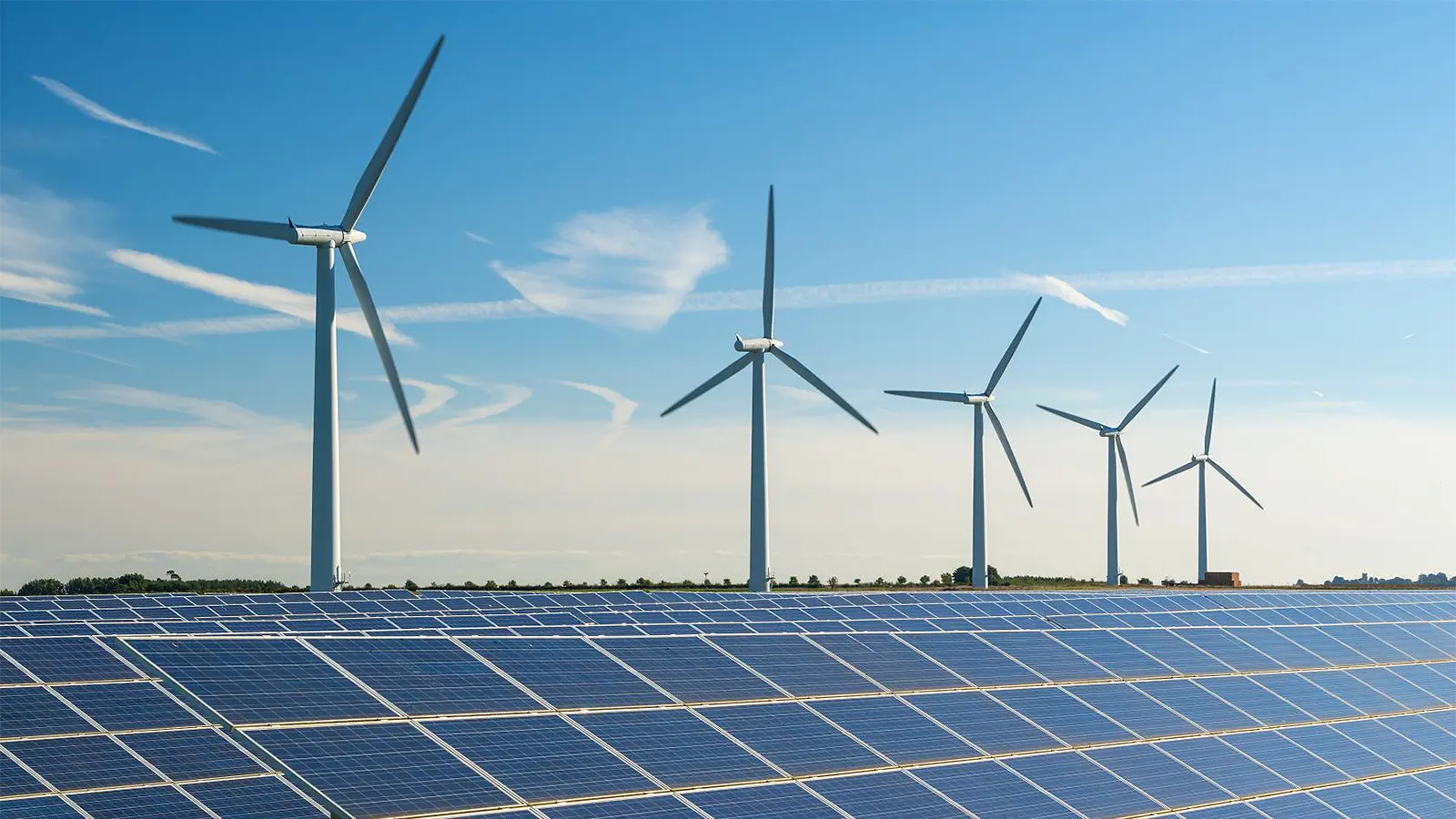
Portugal’s renewable energy infrastructure is creating a new class of real asset investment opportunities. In January 2026, the country generated 80.7% of its electricity from renewable sources—the second-highest in Europe—backed by sustained private capital deployment that is reshaping the physical landscape of energy production across the country.
What the Numbers Reveal
The scale of Portugal’s energy transition is measurable and accelerating. Hydroelectric and wind generation supplied 72% of electricity in January 2026, while solar contributed 4.4%. Over the full year 2025, renewables met 68% of national power demand, up from 57% just four months earlier. Gas-fired generation has declined by more than 40% since 2017.
This performance translates directly to economic value. In January 2026 alone, renewable generation delivered an estimated €703 million in savings compared to equivalent gas-fired production, according to APREN, Portugal’s Renewable Energy Association.
The investment pipeline supporting this transformation is substantial. Private investment in renewable energy and hydrogen projects is projected to reach €40 billion by the late 2020s, with the Portuguese government forecasting more than €60 billion in new renewable projects by 2030.
Solar capacity has already surpassed 6.1 GW and is expanding at a compound annual growth rate of over 6.5% through 2029.
International capital is responding. BNZ, a Spanish independent power producer, has increased its committed investment in Portugal to €600 million, shifting to hybrid projects that combine solar capacity with battery storage systems across nine active installations.
The Infrastructure Challenge
Portugal’s rapid renewable penetration has exposed a structural problem. The electrical grid was not designed to manage this volume of variable generation. The Iberian blackout of April 2025 prompted the Portuguese government to launch an emergency resilience program centered on grid modernization and large-scale battery storage.
The government has committed over €400 million to upgrade grid operations and control systems. A separate battery storage auction planned for early 2026 aims to scale national storage capacity from 13 MW to 750 MW, a near sixty-fold increase. An additional €25 million scheme will fund solar-plus-battery systems for hospitals, utilities, and critical infrastructure.
This concentrated infrastructure spending represents one of the most significant capital commitments in Portugal’s recent history and creates the real asset opportunities investors are tracking.
Where the Opportunity Lies
Renewable energy infrastructure is fundamentally a real estate and development challenge. Substations, grid interconnection points, battery storage facilities, solar parks, and the industrial buildings that support renewable projects all require land acquisition, planning consents, physical construction, and ongoing management.
These are tangible assets subject to the same planning constraints, construction cost pressures, and operational considerations as any other commercial real estate.
The Sines hydrogen cluster will receive €1.3 billion in investment to produce green hydrogen from renewable-powered electrolysis. This expands the asset spectrum beyond solar farms and wind installations to include electrolysis plants, ammonia production facilities, deep-water port infrastructure, and industrial real estate clustered around energy transition hubs.
For infrastructure investors, Portugal’s backdrop is distinctive. The country combines the renewable resources of southern Europe with the institutional frameworks and market stability of western Europe.
GDP growth is forecast at 2.3% for 2025, more than double the Eurozone average, and inflation remains below the European mean. For long-cycle infrastructure investment, that combination of structural growth drivers and relative economic stability differentiates Portugal from many European peers.
Policy targets call for 93% of electricity from renewables by 2030 and carbon neutrality by 2045. The capital required to reach those outcomes represents a durable pipeline for infrastructure real estate that few other sectors can match.
The execution challenges—grid connection timelines, land assembly in competitive auction zones, and the complexity of hybrid renewable-storage projects—demand sophisticated development capability on the ground, but the underlying demand signal remains the strongest constraint on growth.