
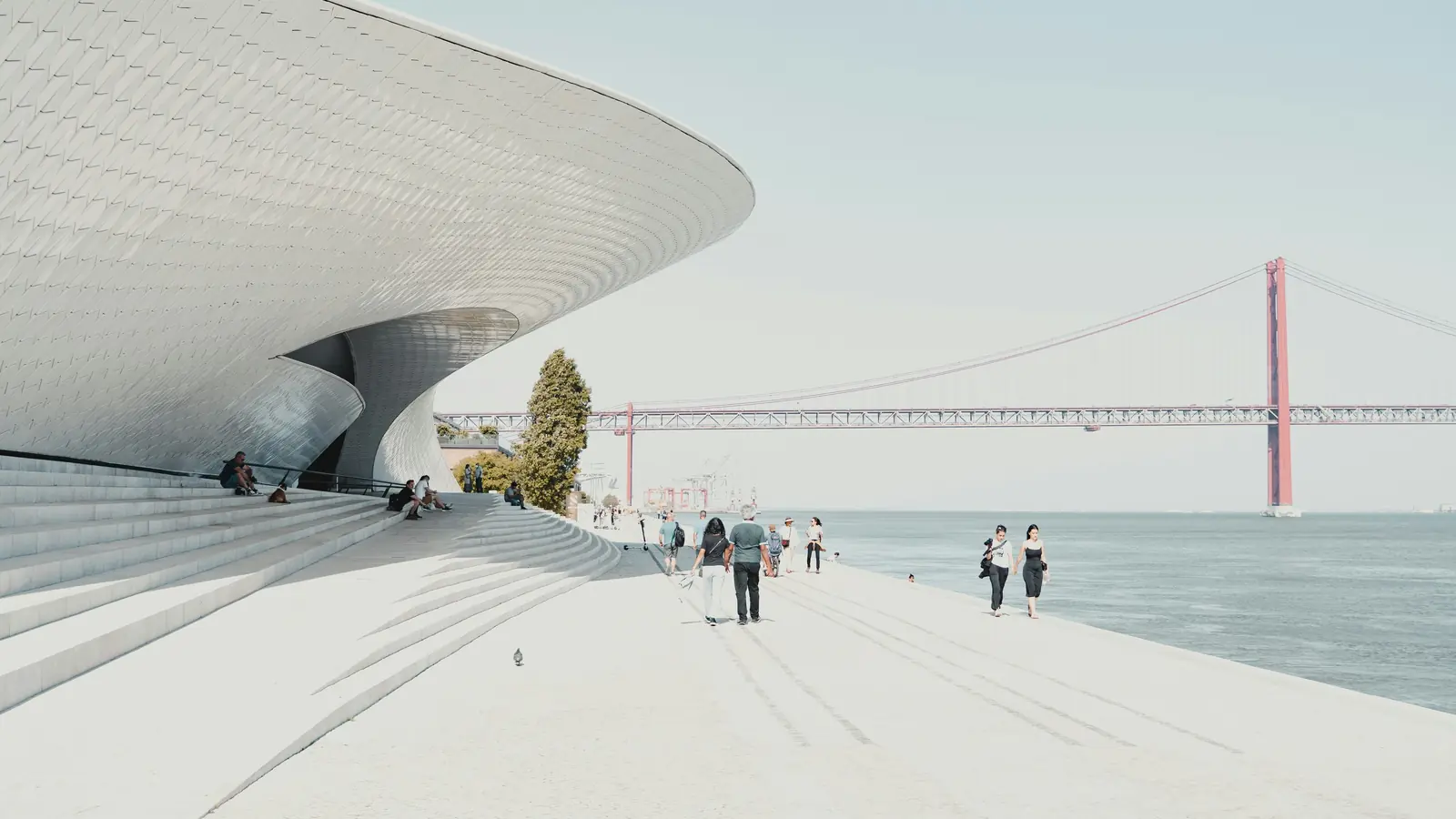
Geopolitical uncertainty in the Middle East is reshaping where international travellers choose to go, and Portugal is emerging as one of Europe’s primary beneficiaries.
When conflict, airspace disruptions, and travel warnings create instability in one region, travellers rarely stop moving altogether. Instead, they redirect toward destinations that feel predictable, stable, and accessible. Portugal, alongside Spain and Italy, is capturing this shift in real time.
Why Portugal Gains in Uncertain Times
The appeal is practical before it is emotional. Portugal offers warm Mediterranean and Atlantic climates, established tourism infrastructure, and strong international flight connections. Lisbon and Porto have direct routes to North America and across Europe.
The country maintains political stability and a low crime rate that consistently ranks among Europe’s safest. American and UK citizens can stay for up to 90 days without a visa, removing a layer of planning friction.
There is also a psychological factor at play. When global events feel unpredictable, travellers gravitate toward regions with historical reliability. Europe carries that association, and within Europe, Portugal occupies a particular position. It feels safe while offering genuine discovery rather than repeating visits to the same capitals.
The Travel-to-relocation Pipeline
What distinguishes Portugal’s current advantage is that tourism and relocation have become inseparable. A decade ago, these were separate decisions. Now, remote work and distributed careers mean travellers often arrive on holiday and return for longer stays.
Someone spending two weeks in the Douro Valley or along the Silver Coast during autumn may decide within months to rent for the winter. That initial visit functions as an extended trial.
The travel industry is already tracking this pattern. Early booking data for 2026 shows increased interest in southern European destinations from both short-term tourists and those exploring remote work possibilities.
For Portugal specifically, this means visitors arriving to test whether longer stays make sense, whether the healthcare system functions as advertised, whether daily costs align with expectations.
What Makes the Shift Real
Geopolitical events reshape travel decisions, but they do not create sustainable advantage on their own. Portugal’s gain depends on what happens when visitors arrive.
The infrastructure must work. Hotels maintain standards, restaurants deliver consistent quality, bureaucratic processes do not punish foreigners, healthcare is accessible, and neighbourhoods feel genuinely welcoming beyond the tourist zones.
These elements existed before the Middle East tensions emerged. The timing simply amplifies their relevance. A traveller from Dubai or the United Arab Emirates seeking stability and considering a longer stay in Europe now has immediate reason to prioritize Portugal alongside more obvious choices.
The outcome remains uncertain. If Middle East instability persists, demand from tourism and relocation will likely follow the pattern already visible in early bookings. If tensions ease, the shift may prove temporary.
Either way, the current moment reveals something about how Portugal is perceived internationally. It is positioned as a primary destination in its own right, one that people return to by choice.