
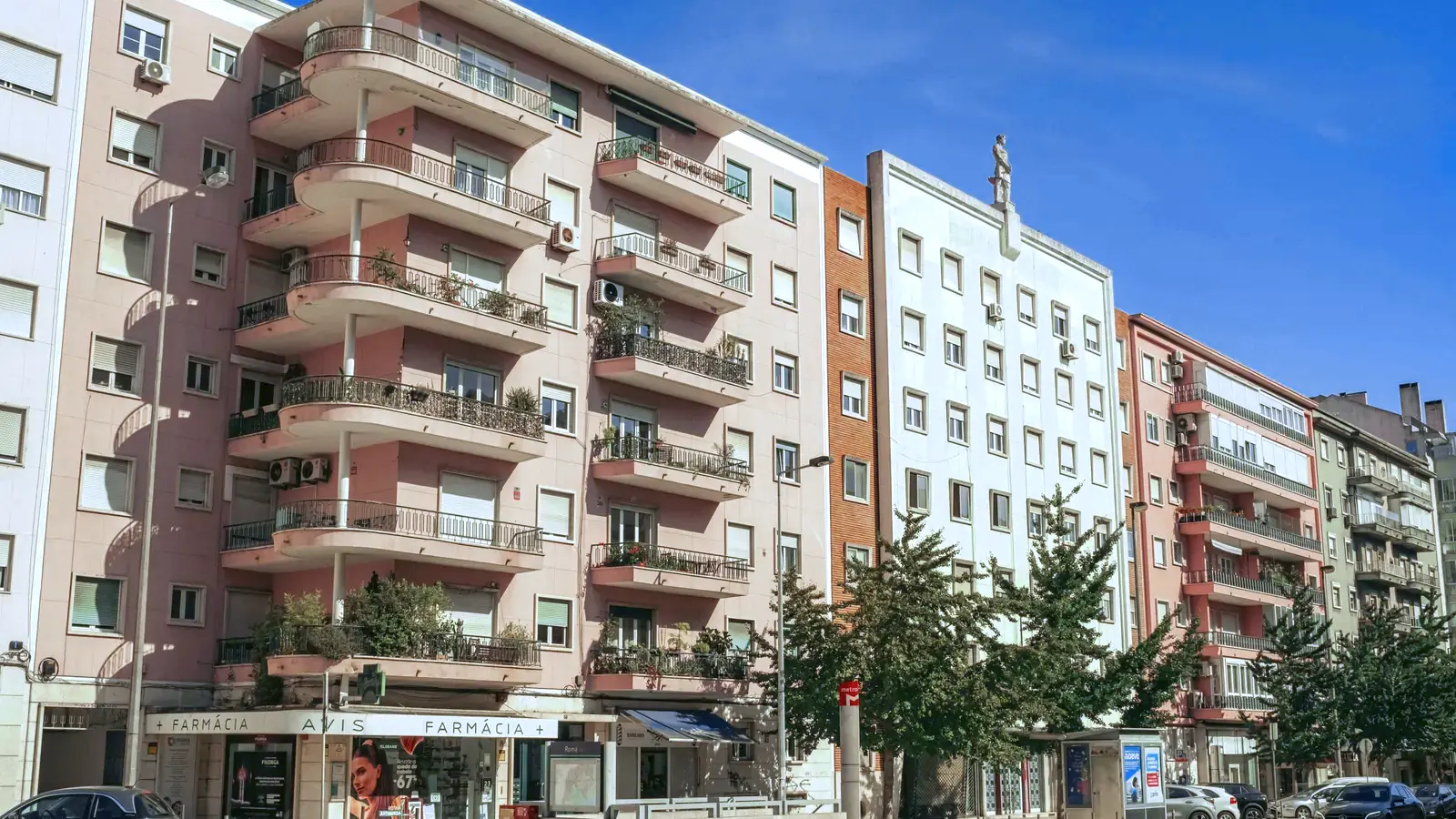
Portugal’s residential real estate market is projected to nearly triple in value over the next eight years, reaching USD 106.93 billion by 2033 from USD 42.60 billion in 2024. This represents a compound annual growth rate of 9.65% and reflects structural trends that extend well beyond seasonal tourism cycles.
For foreign buyers, investors, and those considering relocation, understanding what’s driving this trajectory matters more than the headline number itself.
Foreign Investment and Urban Regeneration
Foreign buyers have been the consistent engine of Portugal’s property market, particularly in Lisbon and Porto. Non-residents are drawn by competitive taxation for non-residents, long-term residency pathways, and the potential for rental income.
While the Golden Visa program has been amended in recent years, Portugal’s tax advantages and quality-of-life proposition continue to attract international capital.
Urban regeneration projects have become increasingly important. Revitalized neighborhoods in Lisbon, Porto, and Faro attract both domestic and foreign buyers by modernizing aging housing stock while preserving neighborhood character. These areas command higher property values and maintain value retention better than speculative developments.
The Tourism Effect on Property Demand
Short-term rental income has become a legitimate factor in property valuations, particularly in high-tourism zones. Lisbon and Porto see consistent visitor volumes, and the Algarve remains a destination for seasonal investment.
Properties marketed for dual use—personal residence plus rental income—appeal to investors who want flexibility and partial income offset.
Short-term rental regulations are evolving across Portugal. Buyers treating properties purely as rental assets should verify local restrictions before purchase.
Where Growth is Concentrated
Lisbon, Porto, and the Algarve remain the three highest-demand zones for foreign investment. Within these regions, supply constraints are driving price pressure. Central neighborhoods with existing infrastructure, cultural amenities, and established neighborhoods attract premiums because they offer what cannot be built: location, walkability, and established communities.
Cities investing in infrastructure—transportation networks, digital connectivity, and public facilities—are becoming more attractive to both residents and investors. This dynamic favors established urban centers over greenfield developments.
What Supply Constraints Mean in Practice
Rising building and construction costs are real. Material and labor expenses are higher than a decade ago. This affects new development timelines and pricing. Renovated properties and existing housing stock maintain value more reliably than in markets with abundant new supply. A well-maintained period property in a desirable neighborhood competes differently than a new build in a developing area.
“Foreign buyers often underestimate how important neighborhood infrastructure and community stability are to long-term value,” says Cristina Pereira, property adviser at Sotheby’s International Realty Portugal. “They focus on the property itself. The market rewards location, accessibility, and the quality of what’s already built around it.”
What This Means for Buyers Now
The eight-year forecast suggests sustained demand, which typically supports property values. However, timing within the market cycle matters. Early 2025 pricing is elevated, and further appreciation will depend on whether foreign investment continues at current levels and whether supply constraints ease.
For someone buying a primary residence, the market outlook supports confidence in the long-term hold. For investors, short-term rental regulations and local demand density should drive location decisions more than the overall growth projection. The local execution is everything.
Unlock the door to exclusive property opportunities in Portugal with our bespoke advisory services. We pride ourselves on providing objective, client-focused advice that empowers you to make informed decisions. From market analysis to legal support, we cover every detail. Don’t miss out on your perfect Portuguese property, contact us to begin your journey.
