
Americans are relocating to Portugal in unprecedented numbers, with arrivals increasing 239% between 2017 and 2022. The appeal is obvious: safety, sunshine, beaches, and a lower cost of living than the United States. But the country’s reputation as an easy transition masks several surprises that catch newcomers off guard. Understanding these realities before you move transforms them from shocks into manageable adjustments.
The Weather Reality
Portugal’s image is sunny Mediterranean warmth, but this applies selectively. The Algarve does enjoy mild winters, with temperatures ranging from 40 to 50 degrees Fahrenheit. Northern regions like Braga are substantially colder, with winter minimum temperatures around 43 degrees Fahrenheit and as much as 57 inches of rainfall annually across 134 rainy days.
Spring brings the local saying em Abril, aguas mil (“in April, waters in the thousands”), and rain persists across much of the country through early summer. Older homes, particularly rural properties built to shed heat rather than retain it, feel colder and damper inside than outdoor conditions suggest. Many Portuguese homes lack central heating systems common in American properties. Visiting in autumn and winter before committing to a move reveals how properties feel during the wet months.

Tax Expectations vs. Reality
Portugal built its reputation on tax-friendly regimes like the Non-Habitual Resident (NHR) Regime, which expired on January 1, 2024. The country also previously offered zero taxation on cryptocurrency profits, a policy now eliminated. Despite these changes, expats still arrive under the assumption that Portugal means light taxes.
Portugal taxes income (including pension income) at progressive rates from 13.25% to 48%, placing it among Europe’s highest-tax nations. While the country maintains double taxation treaties with the United States and Canada, preventing taxation on the same income twice, the marginal tax burden often exceeds what relocating Americans anticipate. Anyone relying on pension or investment income should calculate their total Portuguese tax liability before moving, not after.
Residency Costs Beyond the Visa Fee
Many residency pathways appear inexpensive on paper. The D7 Visa (Passive Income) requires proof of just €1,200 monthly income, roughly half what Spain requires for its equivalent. The residence permit application itself costs over €200. The total expense tells a different story.

Mandatory EU health insurance costs between $200 and $900 per month depending on age and medical history. Lawyer fees for visa processing run €2,000 to €3,000 per person for the D7; golden visa applications reach €10,000 or more. These costs recur at residency renewal. “Many people focus only on the income threshold and overlook the cumulative cost of insurance, legal support, and permits,” says Cristina Pereira, property adviser at Sotheby’s International Realty Portugal. “A realistic budget for the first year should include all three.”
Language as a Practical Barrier
Portuguese presents phonetic challenges unfamiliar to English speakers: vowel sounds that don’t exist in English, regional accents that consume consonants, and pronunciation rules that don’t transfer from written text. Most expats survive without learning Portuguese because English proficiency is high among younger residents and service workers. Daily tasks like shopping, bureaucratic processes, and anything involving written documents becomes simpler with basic Portuguese. Locals genuinely appreciate the effort, which opens social integration in ways English convenience cannot replicate.

Cultural Rhythms and Driving Conventions
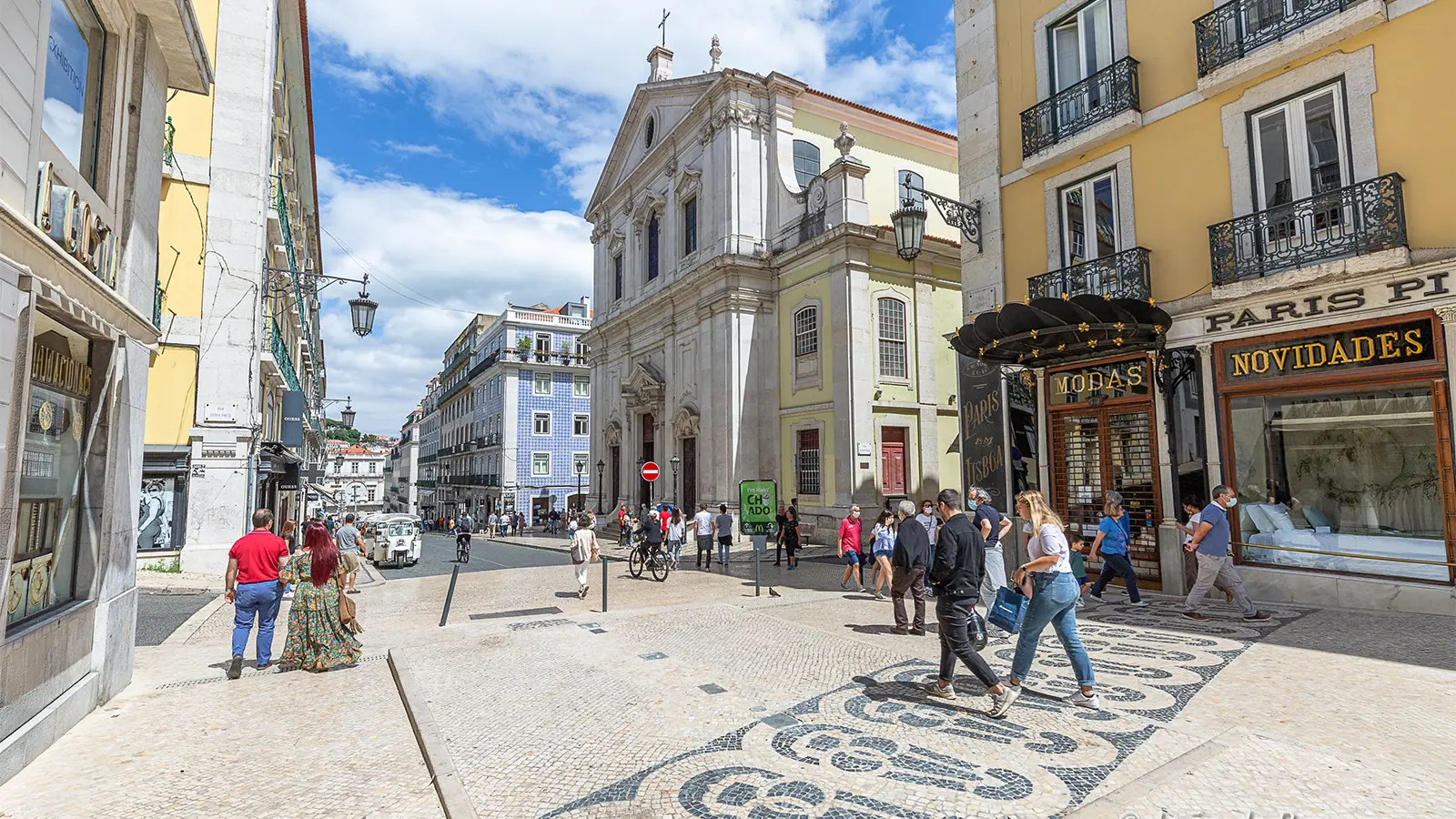
Dinner starts late (9 p.m. is standard) and continues for two hours or longer, a rhythm that surprises Americans accustomed to 6 p.m. meals. The Portuguese drive fast, use turn signals inconsistently, and enforce traffic rules selectively. Pedestrian infrastructure, while extensive, includes calcada portuguesa (traditional Portuguese pavement) of small decorative stones that become hazardously slippery in rain.
Practical Cost Adjustments
Electronics (cellphones, computers) cost more in Portugal than in the United States, making it worthwhile to purchase these items before relocating. Gasoline and diesel are similarly more expensive. Coffee and a pastel de nata pastry cost under €3, and fine Portuguese wine sells for under €5. These minor savings accumulate, though higher utility costs surprise many newcomers.
Moving to Portugal rewards preparation. Timing a visit to experience winter weather, calculating true tax liability, budgeting for insurance and legal costs, and arriving with realistic cultural expectations transform the transition into a deliberate choice.
Unlock the door to exclusive property opportunities in Portugal with our bespoke advisory services. We pride ourselves on providing objective, client-focused advice that empowers you to make informed decisions. From market analysis to legal support, we cover every detail. Don’t miss out on your perfect Portuguese property; contact us to begin your journey.
