
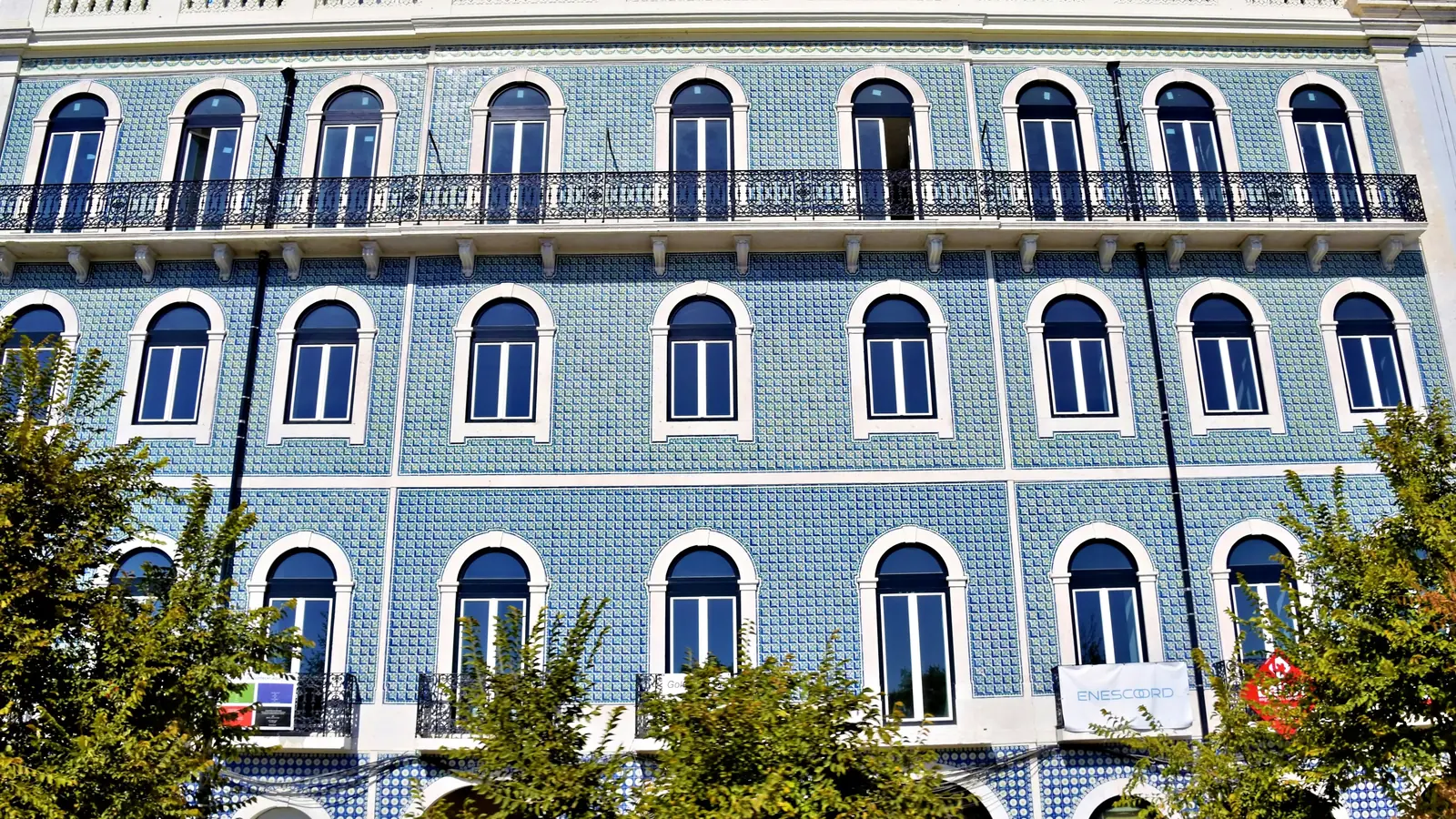
American wealth is flowing toward Portugal at a scale that outpaces the end of the country’s golden visa program. The latest data shows US-based buyers now represent 12% of all international demand for luxury homes in Portugal, making the United States the second largest source of foreign interest after the UK. This shift reflects something deeper than tax incentives: geopolitical uncertainty at home is reshaping how high-net-worth Americans think about property ownership abroad.
Portugal’s golden visa program, which offered residency in exchange for property investment, ended in December 2023. Yet US buyers continue to pursue luxury homes in Portugal with undiminished intensity. The appeal has shifted from a fast-track residency route to capital preservation, lifestyle quality, and relief from domestic policy volatility.
US buyers targeting luxury homes in Portugal are concentrating their searches in three locations. Lisbon accounts for 46.5% of American searches for premium property, followed by Faro with 16.1% and Porto with 9.4%. Combined, these three districts represent nearly three-quarters of total US demand for luxury residential property in the country.
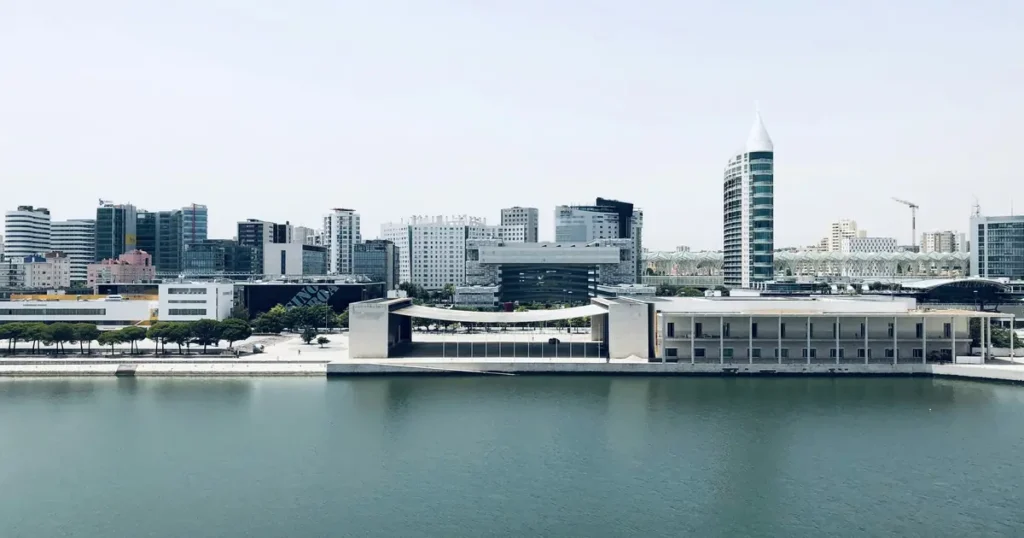
Lisbon’s dominance reflects its position as Portugal’s primary wealth center, cultural capital, and the most recognizable address internationally. Faro’s appeal lies in Algarve proximity and established English-speaking infrastructure. Porto draws buyers seeking a secondary coastal city with lower prices than Lisbon and stronger architectural character. Beyond these three, interest fragments significantly: Madeira Island (6.1%), Setúbal (5.6%), and the Azores islands combined account for the remaining major shares.
These Atlantic islands, located roughly 900 miles west of mainland Portugal and closer to North America than to Lisbon, are attracting outsized American interest. On Faial Island, US visitors represent 39.1% of all foreign demand for luxury property. On Terceira Island, where the United States has operated Lajes Air Base since World War II, Americans account for 36.1% of international premium searches. São Miguel, the largest Azorean island, sees more than 30% of its luxury property interest come from American buyers.
On mainland Portugal, US demand anchors international interest unevenly. In Leiria, American searches represent 16.8% of total foreign demand. In Coimbra, they account for 15.5%. In Lisbon, despite the city’s dominance overall, Americans represent 15.8% of international searches. This variation matters for real estate advisers working with Portuguese sellers of luxury property: in some markets, American buyers are the primary international constituency. In others, they are one among several competing national groups.

Tax policy uncertainty in major US cities, immigration enforcement changes, geopolitical tensions with Iran and Venezuela, and domestic policy shifts under new federal leadership have created an environment where capital flight appears rational to affluent Americans. New York’s new mayor has signaled plans to freeze rents and increase taxes on high earners, removing one of the US wealth centers’ primary advantages.
Portugal’s combination of factors positions it as a credible alternative to domestic US real estate for those with the capital to invest. A strategic EU location, relatively favourable tax treatment through programs like NHR (Non-Habitual Resident status, though with recent modifications), low violent crime, stable governance, and a mild Mediterranean climate all contribute to this appeal.
“American buyers are looking for stability, cultural infrastructure, and a place where their capital is secure,” says Cristina Pereira, property adviser at Sotheby’s International Realty Portugal. “That shift in motivation changes what they value in a property and where they want to be located.”

The concentration in Lisbon, Faro, and Porto will likely persist. These cities offer the combination of liquidity, established expatriate networks, and cultural amenities that appeal to international buyers accustomed to major metropolitan centers. Secondary markets and island locations will remain attractive to those seeking privacy, natural scenery, and escape from density, but they lack the economic depth that makes primary residences or investment property reliably marketable.
American demand for luxury homes in Portugal reflects structural shifts in how international capital is thinking about risk, stability, and where to build long-term wealth. That reorientation suggests sustained upward pressure on premium property prices, particularly in Lisbon and the Algarve, for years to come.
Unlock the door to exclusive property opportunities in Portugal with our bespoke advisory services. We pride ourselves on providing objective, client-focused advice that empowers you to make informed decisions. From market analysis to legal support, we cover every detail. Don’t miss out on your perfect Portuguese property; contact us to begin your journey.
