
Portugal’s investment geography is shifting away from coastal saturation toward its interior regions. For decades, the country’s economic value concentrated on Lisbon, Porto, and the Algarve coast. That pattern is breaking. Technology, remote work, renewable energy infrastructure, and deliberate decentralisation policies are creating genuine opportunities in districts like Braga, Aveiro, Viseu, Castelo Branco, Guarda, and Évora, places long considered peripheral by international investors.
The mechanics are straightforward. Capital follows talent, and talent no longer requires a coastline. Companies operating across borders can now base themselves in medium-sized cities with lower operating costs, better quality of life, and cleaner environments. New industrial parks, technology campuses, data centres, and logistics projects are anchoring qualified employment outside the traditional Lisbon-Porto corridor. When jobs move inland, housing demand follows.
Why interior regions are gaining traction
The interior offers what saturated coastal markets no longer provide: space, stability, and growth capacity. Coastal properties near Lisbon and the Algarve face scarcity, rising prices, and limited room for large-scale development. Inland territories have room to plan mixed-use projects, sustainable housing developments, and integrated business communities without the constraints of overcrowded coastal zones.
Energy access compounds the advantage. Interior regions sit directly atop solar and wind resources, with emerging potential for green hydrogen projects. This is infrastructure being built now. A company or developer positioning itself in these areas gains access to both the talent moving inland and the energy transition underway.
Real estate impact
The effect on property markets is immediate and measurable. Housing demand stabilises previously stagnant markets. Asset values begin moving upward after years of flatness. New mixed-use developments emerge—residential combined with office, retail, or hospitality. Markets gain depth, meaning more transaction volume, more choice for buyers or renters, and more sophisticated property management.
The investor arriving early in interior Portugal today encounters opportunities that no longer exist in Lisbon or the Algarve. Coastal properties command premium prices. Land plots are small. Renovation constraints are tight. Interior locations offer developable land at reasonable prices, existing commercial or industrial properties suitable for conversion, and room to execute larger visions.
“The investor who understands this shift early recognises that Portugal’s interior is a different market entirely, with different economics and different timelines,” says Cristina Pereira, property adviser at Sotheby’s International Realty Portugal. “The coastal market rewards already-positioned capital. The interior rewards vision.”
What has changed
This is not a temporary trend. The shift reflects structural changes in how work, energy, and talent function. Remote work is now permanent for many global companies. Renewable energy is cheaper than fossil fuel in much of Europe, making inland locations with direct resource access strategically valuable. Younger workers and families increasingly value quality of life—space, safety, walkability, cultural amenities—over proximity to major cities.
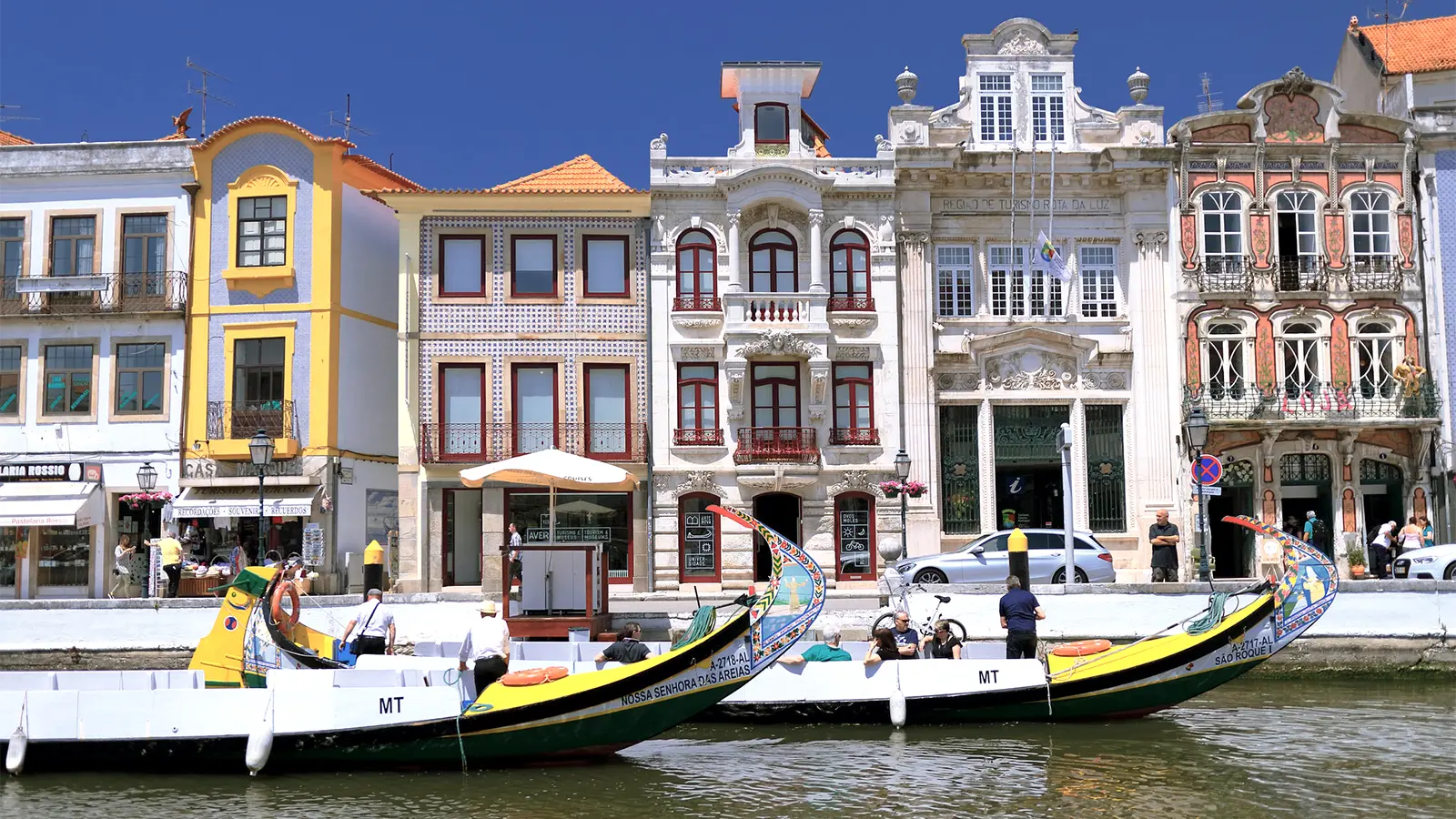
Portugal’s interior now offers all three. Towns like Braga combine industrial growth with preserved old-town character. Aveiro attracts tech companies while maintaining its canal-town identity. Viseu is developing business parks while staying compact and livable. These are evolving urban centres with actual communities.
The bigger shift
This redistribution of capital addresses one of Portugal’s greatest historical imbalances. Excessive coastal concentration created infrastructure strain, environmental pressure, and geographic inequality. A more balanced territory is more competitive, more resilient, and more attractive to long-term investors. The new international investor seeking Portugal interior investment opportunities understands this instinctively. The appeal is sustainable ecosystems, stable costs, available talent, and room to grow.
The coastal market will remain relevant. Prime residential, tourism, data centres, and logistics will continue attracting investment there. The interior is becoming the next phase of Portuguese economic geography, and the real estate opportunity may be the largest available in Portugal over the next decade.
Unlock the door to exclusive property opportunities in Portugal with our bespoke advisory services. We pride ourselves on providing objective, client-focused advice that empowers you to make informed decisions. From market analysis to legal support, we cover every detail. Don’t miss out on your perfect Portuguese property; contact us to begin your journey.
