
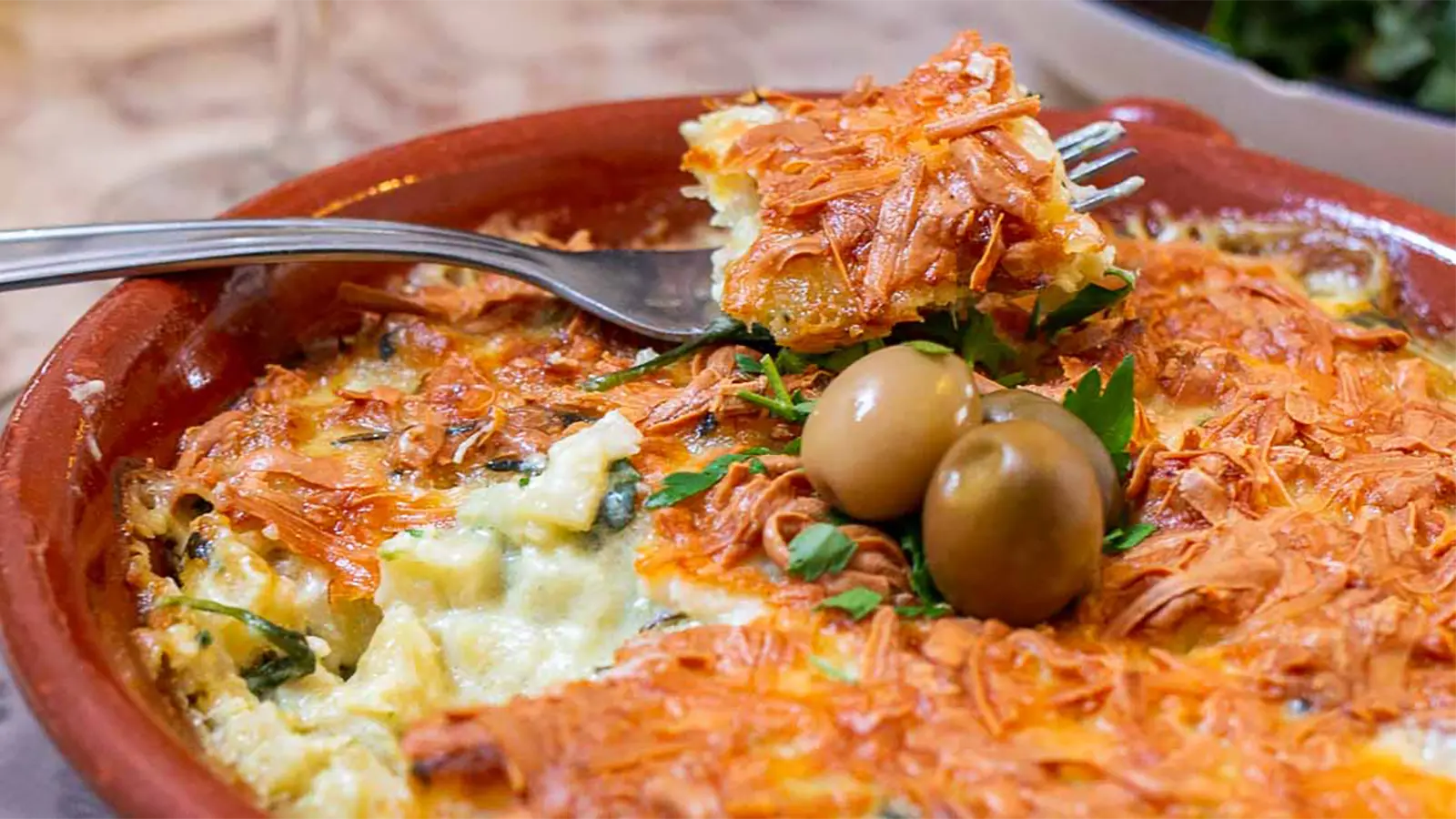
Lisbon has entered the conversation with Europe’s most serious food destinations. The Portuguese capital ranks 3rd in Europe for food tour searches, behind only Rome and Bologna, according to the TUI Musement Foodie Ranking 2026.
That ranking measures actual traveler behavior: which cities people are actively searching for culinary experiences before they book. For anyone planning a trip built around eating well, Lisbon’s placement signals something worth understanding.
Why Lisbon Ranks This High
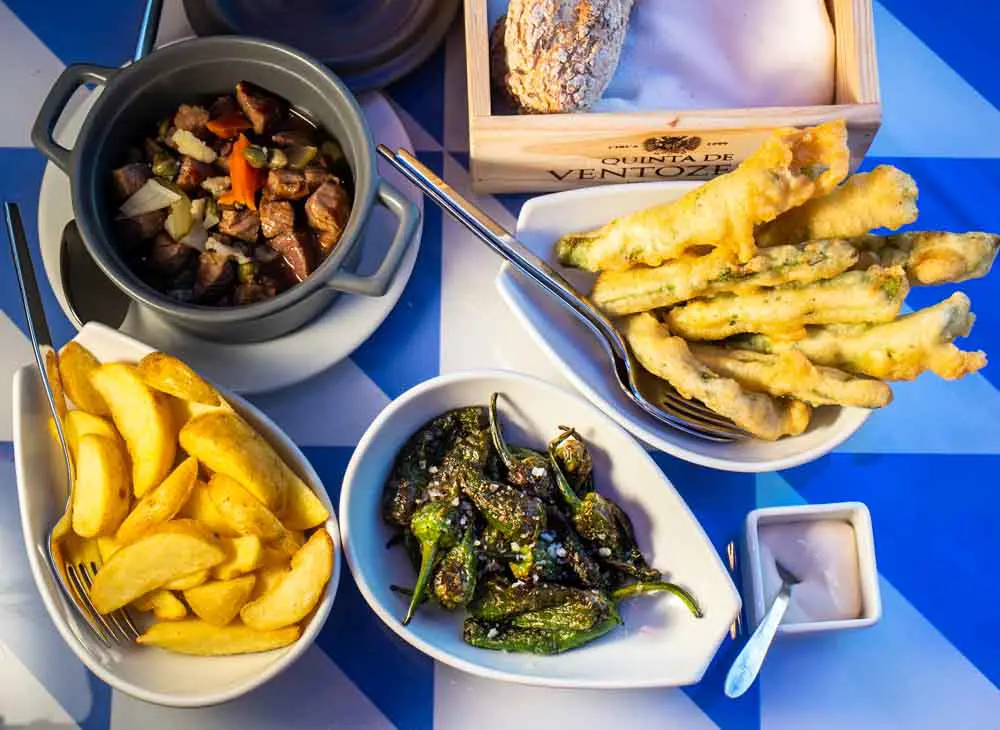
The appeal of Lisbon’s food scene rests on a specific foundation: the seamless overlap between everyday eating and culinary ambition. A visitor can move from a tasca—a traditional, no-frills local eatery serving petiscos (small plates)—directly to a tasting menu that would hold its own in Paris. Food tour demand doesn’t depend on fine dining availability. Eating well is embedded in daily culture, not confined to ceremony.
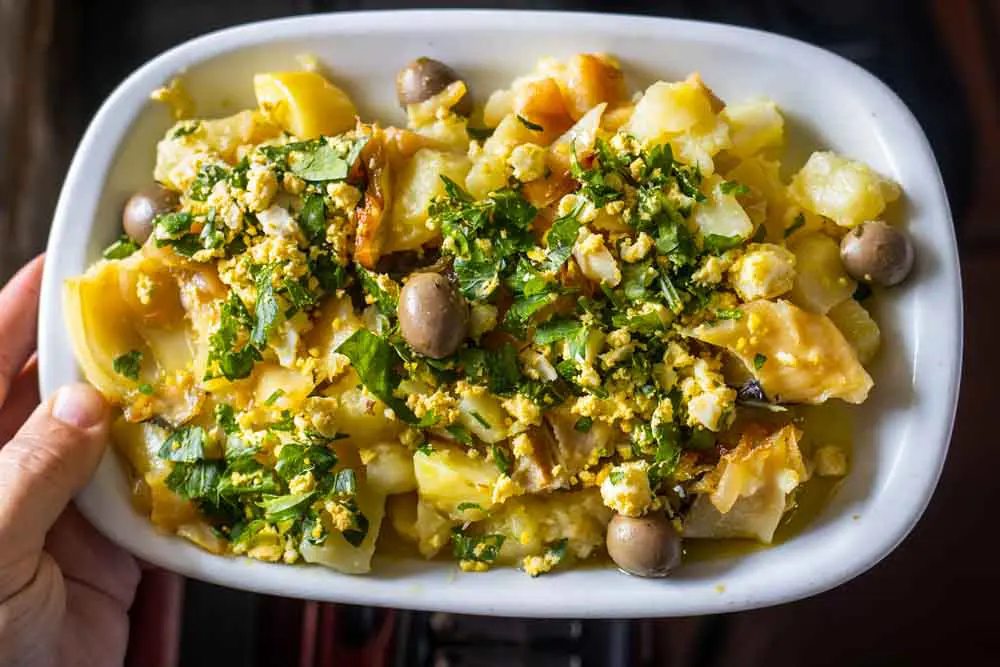
Seafood dominates menus throughout the city, but the atmosphere is rarely stiff. The casual confidence of Portuguese seafood cooking—grilled sardines in season, pastel de bacalhau (salt cod croquette), octopus prepared simply—reads as skilled rather than formal.
When TUI Musement analyzed search behavior, travelers searching for “best food in Lisbon” were typically looking for specific dishes and neighborhoods, not restaurant rankings.
The Three Historic Quarters
Most structured food tours center on three districts: Alfama, Baixa, and Príncipe Real. Alfama’s narrow streets and tascas attract those seeking traditional preparation and local clientele. Baixa, the downtown grid rebuilt after the 1755 earthquake, offers density and variety—from custard tarts at Pastéis de Nata counters to contemporary restaurants.
Príncipe Real draws visitors interested in newer projects: emerging wine bars, coffee specialists, and restaurants that reference Portuguese tradition without copying it.
Fresh Michelin recognition matters for visibility. The Michelin Guide Portugal 2026 added a two-star restaurant and several new starred venues in Lisbon, attracting the subset of travelers whose first stop is fine dining but who often discover traditional spots afterward.
Food tour traffic moves in both directions: upward from casual to formal and lateral across neighborhoods and price points.
Porto’s Parallel Momentum
Lisbon is not carrying Portugal’s culinary momentum alone. Porto ranks 9th in the same European ranking, with sustained search demand for food tours that emphasize the city’s seafood markets, port wine cellars, and francesinha (a local meat and cheese sandwich). Two Portuguese cities in the top ten suggests this reflects sustained international interest in Portuguese food culture itself.
For anyone planning a food-focused trip, the numbers confirm what travelers are already discovering: Lisbon rewards those who arrive with curiosity rather than a checklist. The best experiences tend to emerge from walking neighborhoods, stopping where locals eat, and understanding that quality here is measured by technique and freshness.