
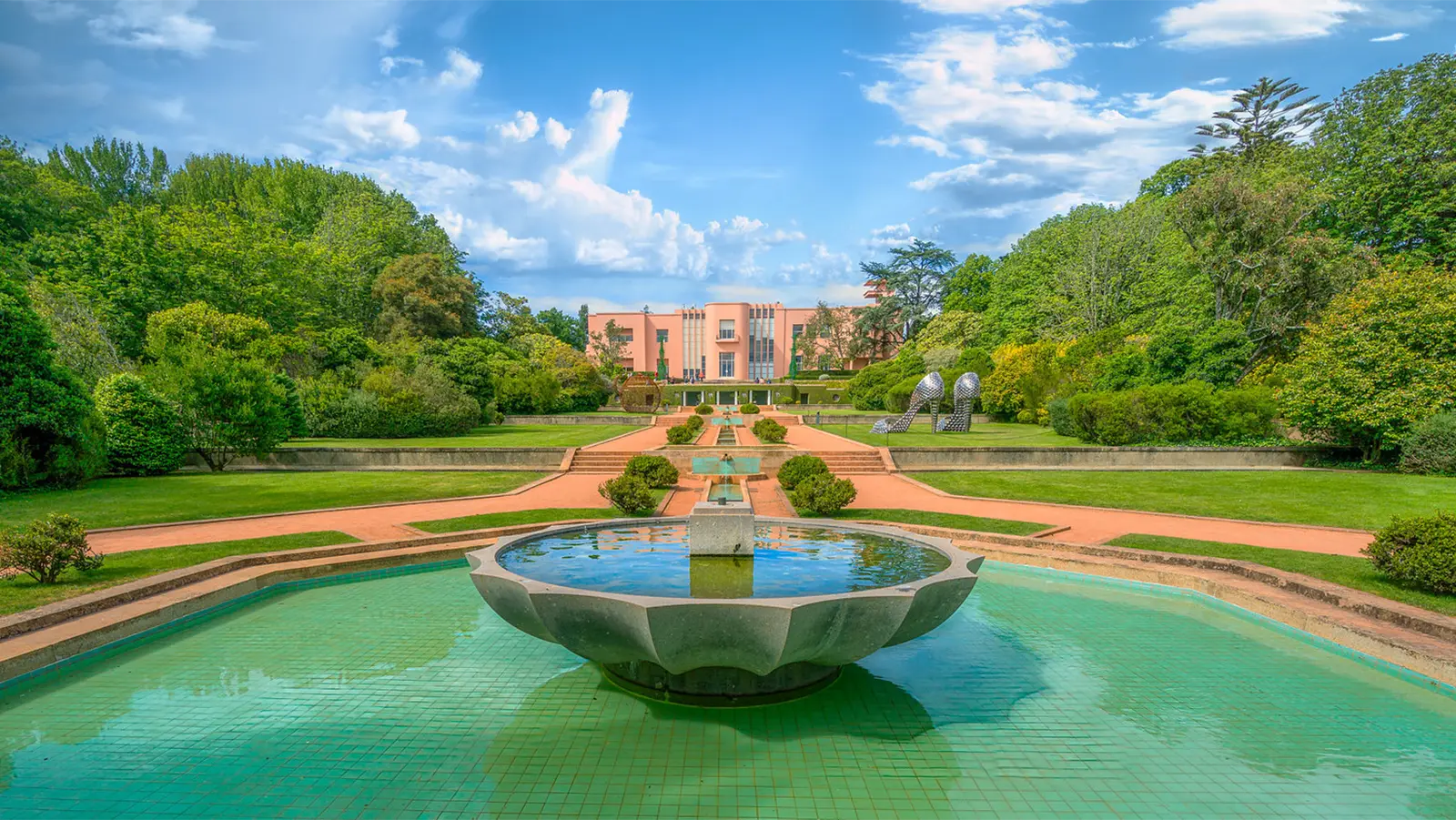
The Serralves Museum in Porto has become the only Portuguese institution to rank among the world’s most visited art museums, according to data compiled by The Art Newspaper. This achievement places the museum alongside institutions like the Louvre, the Vatican Museums, and the Metropolitan Museum of New York.
The museum’s presence on the global attendance list reflects a shift in European museum patterns. While major institutions in France, Spain, and Italy have recovered steadily from pandemic disruptions, they have largely returned to predictable visitor patterns.
Serralves continues to draw visitors at a scale that rivals some of Europe’s most established museums. Contemporary art tourism in Portugal is no longer an afterthought to beach holidays and wine tours. It has become a genuine destination driver.
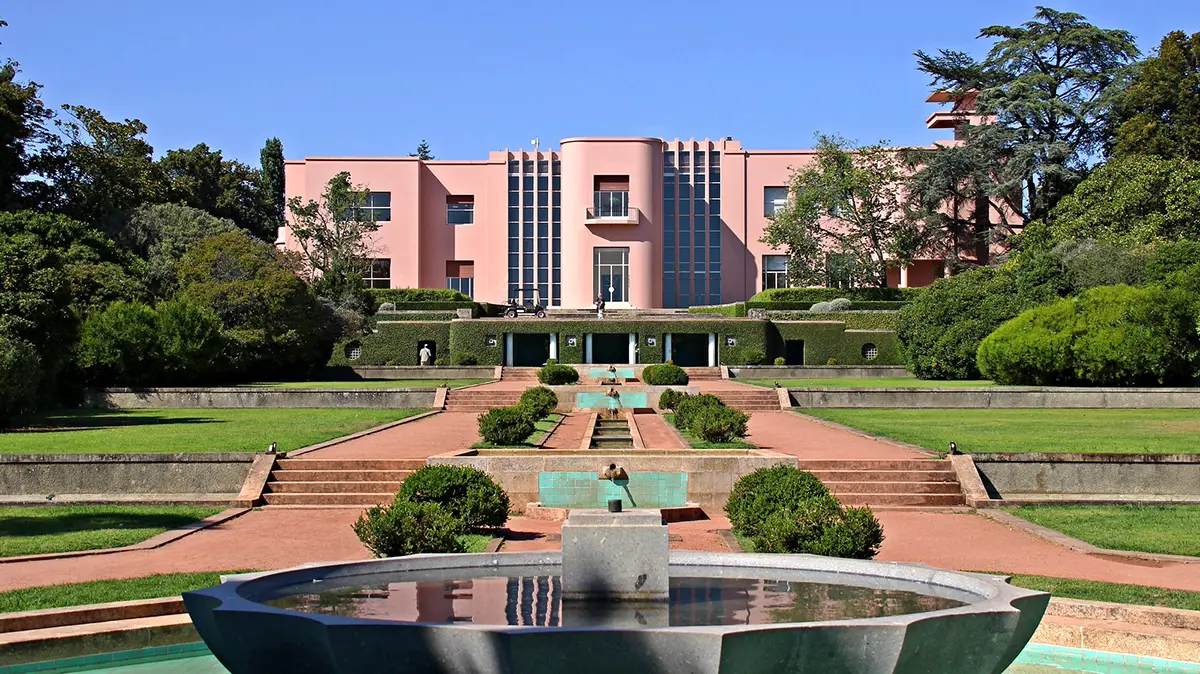
The museum’s architecture contributes to this. Álvaro Siza’s building, which opened in 1999, was a deliberate statement about what contemporary art could demand from a city. It was built as a declaration.
The result is a structure that works as both a gallery and a landmark, visible from the Ribeira and recognizable to anyone who has spent time in Porto. This kind of architectural presence matters for cultural tourism. People visit institutions that feel important.
The Art Newspaper’s data shows that top 100 museums worldwide received over 200 million visits in the most recent counting period. This figure, while still below the 230 million recorded in 2019, represents a stable recovery across major institutions.
The more interesting pattern emerges in regional variation. South America and Asia showed explosive visitor growth, with South Korean museums recording a particularly dramatic increase. The National Museum of Korea in Seoul jumped 70 percent year over year, driven partly by global interest in Korean culture.
Porto is not Paris or Madrid or Barcelona. Yet Serralves competes for attention alongside those cities’ flagship institutions. This matters to anyone considering what cultural life in Portugal actually offers. Contemporary art receives serious institutional investment and attracts serious visitor numbers.
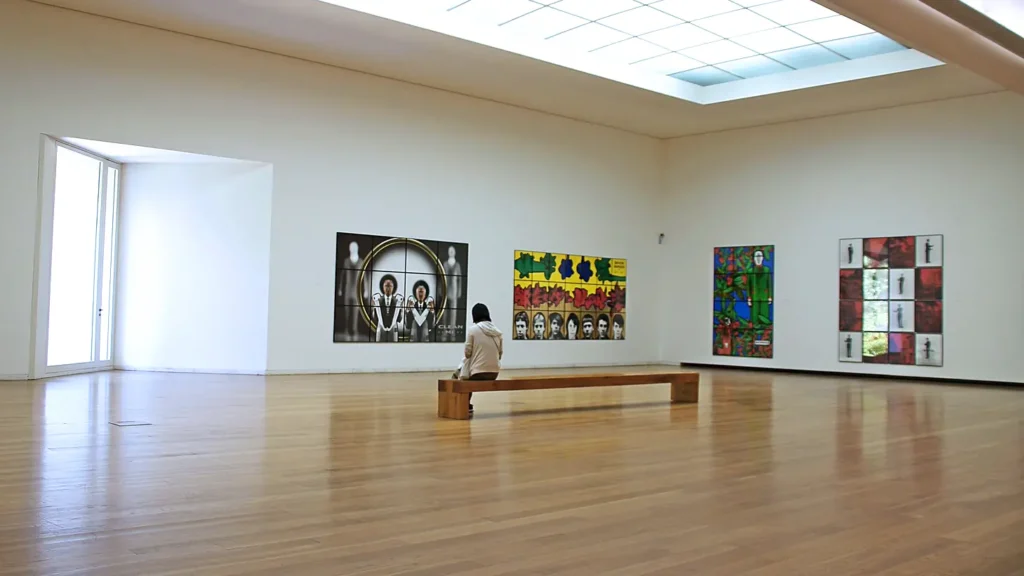
The Serralves ranking also reflects Porto’s broader cultural positioning. The city has become a destination where contemporary art programming, architecture, gastronomy, and wine converge.
The museum’s success happened alongside the growth of Porto’s reputation as a European city worth visiting beyond its historical centre. The concentration of cultural institutions, restaurants, and galleries around the Ribeira and Miragaia neighborhoods creates an ecology that works for both residents and visitors.
For anyone considering a move to Porto or simply interested in what Portugal’s cities offer beyond tourism clichés, the Serralves ranking signals that the infrastructure for cultural engagement exists at a serious level. The museum draws visitors from across the world to engage with contemporary art at a scale comparable to institutions in much larger cities.