

The Azores have just claimed a place among the world’s top winter destinations, ranking 9.6 out of 10 in a study of over 5,600 travellers. The Portuguese archipelago now sits alongside Sardinia in the global rankings, ahead of established winter powerhouses like Ireland, Brazil, and Canada. For anyone considering where to spend the winter months, this distinction signals something worth understanding: the Azores offer a specific kind of winter experience that differs fundamentally from snow or traditional cold-weather tourism.
Why the Azores rank for winter
The appeal rests on three practical advantages. First, the climate remains mild, rarely dropping below 14°C, making outdoor exploration feasible without the equipment required elsewhere. Second, the winter months from January to March bring significantly fewer visitors than summer, which means less crowding and more solitude in landscapes designed for contemplation. Third, the islands offer something increasingly rare in winter travel: genuine ecological and geological drama without the infrastructure fatigue of overcrowded destinations.
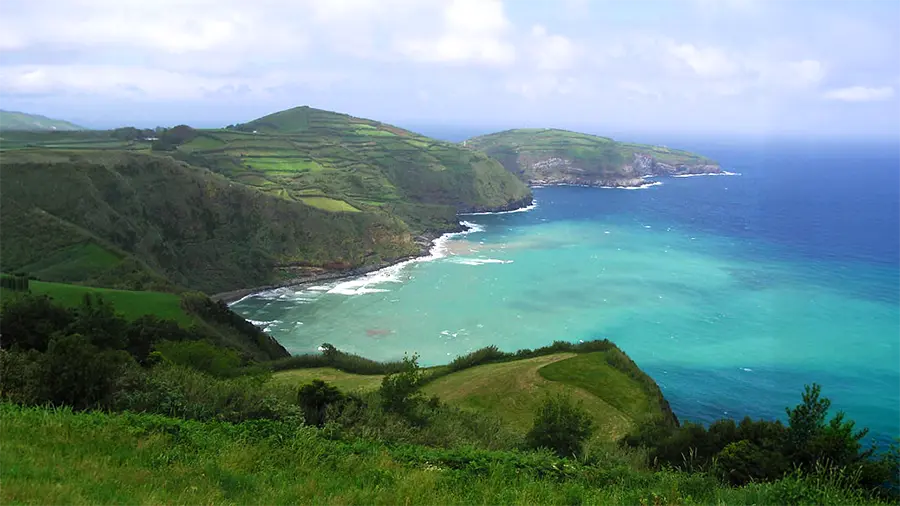
São Miguel Island anchors the Azores’ reputation. The panoramic views over the 11 lagoons of Sete Cidades dominate the visitor narrative, and with reason. The volcanic crater lakes shift colour depending on light and atmosphere, creating the kind of visual experience that rewards slow looking and landscape photography. The thermal waters in Furnas equally shape the experience, where geothermal activity creates visible, tangible geological features. Geology shapes how you move through a place.
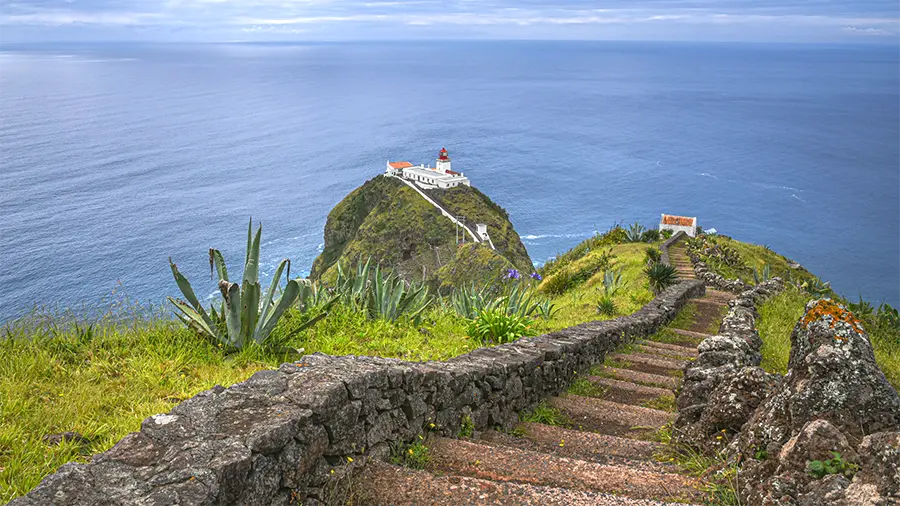
For coastal drama, Santa Maria Island offers something different. The terraced vineyards at São Lourenço Bay descend toward crystal-clear waters and dramatic cliffs, creating the particular Portuguese aesthetic where human cultivation and wild landscape coexist. This combination of agricultural heritage and natural intensity appeals to travellers seeking landscape and cultural texture together.
What makes winter better in the Azores?
The winter season in the Azores inverts the typical beach destination calendar. Travellers arrive expecting solitude. The lower tourist density allows for space to experience place without crowds. Restaurants, boat tours, and hiking trails operate normally, but without the summer crush that transforms popular destinations into logistics challenges.
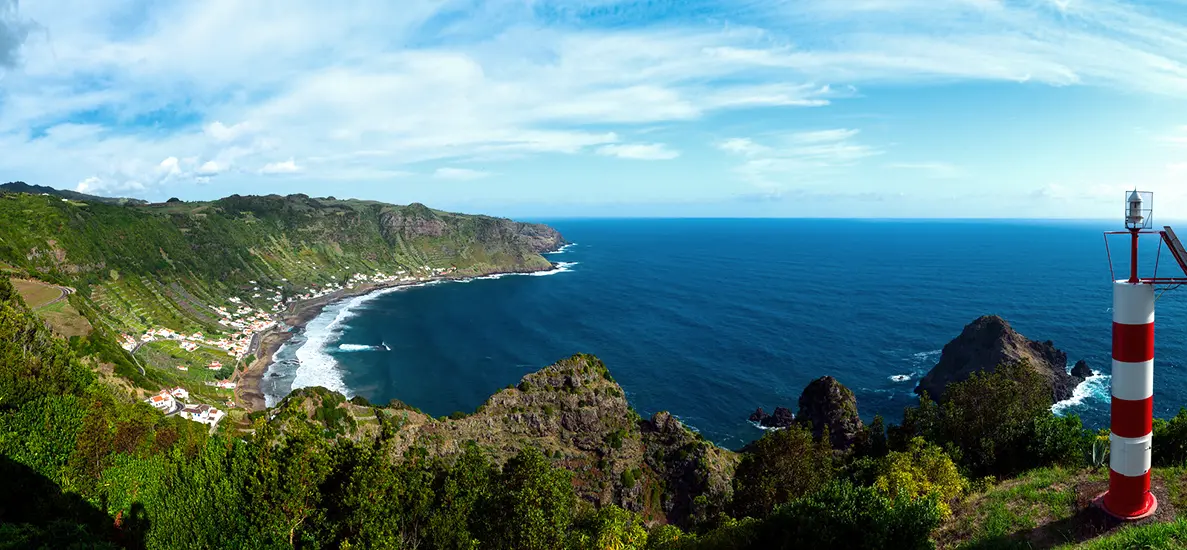
The light in winter differs from summer. Shorter days and lower sun angles create the atmospheric conditions that favour photography and visual contemplation. Mist and cloud cover become part of the landscape’s character in winter months.
The ranking places the Azores winter destination in conversation with Norway’s fjords and Northern Lights (10/10) and Finland’s frozen landscapes (9.7/10). The international travel conversation is shifting. Winter travel now means light, space, geology, and the chance to experience landscape at a pace that allows attention.
For anyone who finds summer Portugal crowded or who simply prefers winter’s visual qualities, the Azores offer volcanic islands, thermal waters, vineyards on cliffs, and the practical advantage of having them largely to yourself.
Unlock the door to exclusive property opportunities in Portugal with our bespoke advisory services. We pride ourselves on providing objective, client-focused advice that empowers you to make informed decisions.
From market analysis to legal support, we cover every detail. Don’t miss out on your perfect Portuguese property, contact us to begin your journey.
