

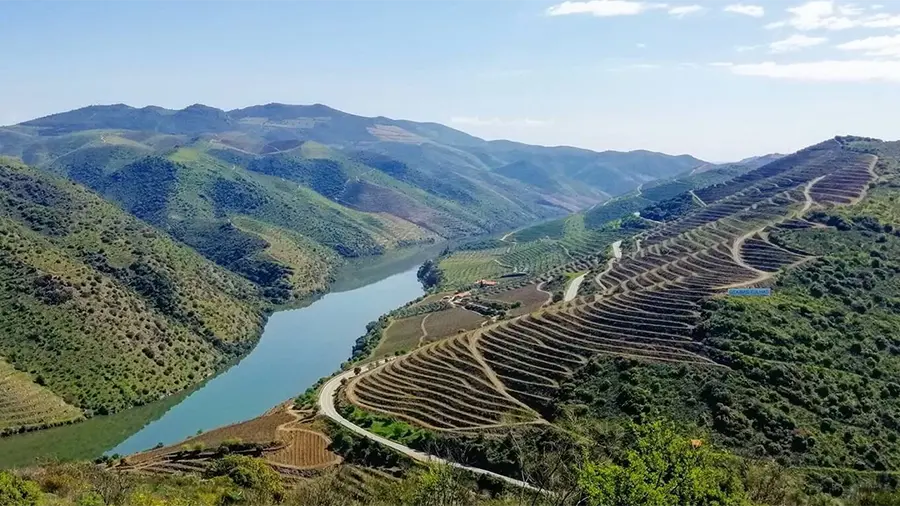
The Douro Valley draws visitors for three reasons: the landscape, the wine, and the experience of moving slowly through both. What distinguishes a trip here from a generic wine-country weekend elsewhere is the combination of geological drama, centuries-old farming terraces carved by hand, and a hospitality infrastructure that ranges from family-run quintas to serious luxury properties. For anyone planning a trip to northern Portugal, understanding what actually works, and when, matters more than collecting a list of attractions.
The region sits about 90 minutes east of Porto via the N222, a road that is itself part of the journey. The drive winds through terraced vineyards that drop toward the river, with views that justify the slower pace. Once you arrive, the rhythm changes immediately.
Where to Stay
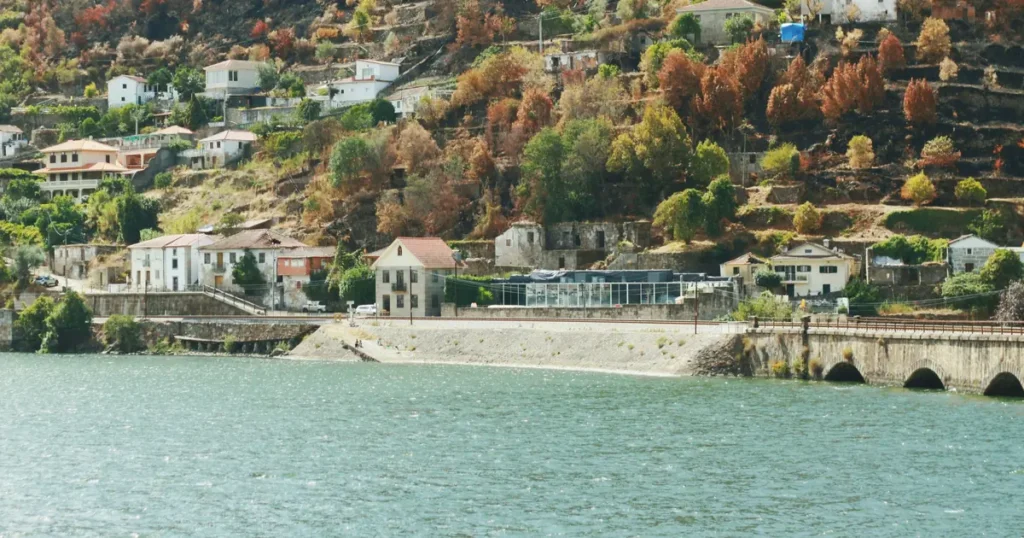
Choice of accommodation shapes the entire experience. Six Senses Douro Valley operates from a restored 19th-century manor set directly amid the vineyards. The property functions as a small compound with suites scattered across the grounds, a working organic garden, spa facilities, and direct access to wine tastings without leaving the property. This model is immersive and quiet, structured around the vineyard calendar, and suits anyone wanting the valley to be the primary focus.
Lamego Hotel & Life offers contemporary design, clean lines, and proximity to cultural landmarks like Lamego Cathedral, with the convenience of a nearby town. For visitors who want both wine and regional history within reach, this works better than a property isolated on the slopes.
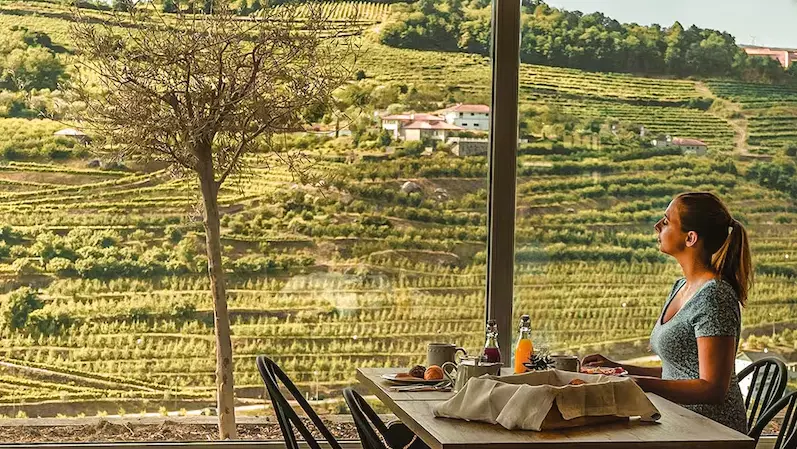
Quinta de la Rosa operates as a working quinta (estate) where guests occupy scattered rooms and eat at the family table, literally. Vidago Palace is positioned as leisure-focused luxury in a historic setting, emphasizing spa treatments and landscape over wine focus.
Hotels offer service and amenities. Quintas offer immersion and authenticity. Each serves different visitors.
What to Actually Do
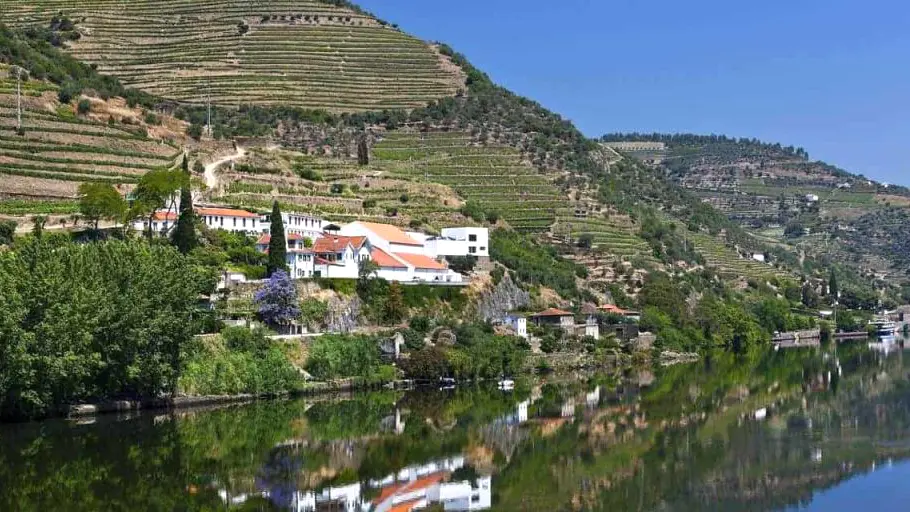
Wine tastings are obvious, but quality varies sharply. Quinta do Seixo, Quinta da Pacheca (operating since 1738), and Quinta das Carvalhas (since 1759) all offer formal tours and tastings. Quinta da Pacheca allows guests to book vineyard picnics and provides access to the autumn olive harvest, which extends the visit beyond grapes alone. The staff-guided experiences are thorough, but the difference between a good tasting and a forgettable one often comes down to whether the person leading it actually cares about what you learn.
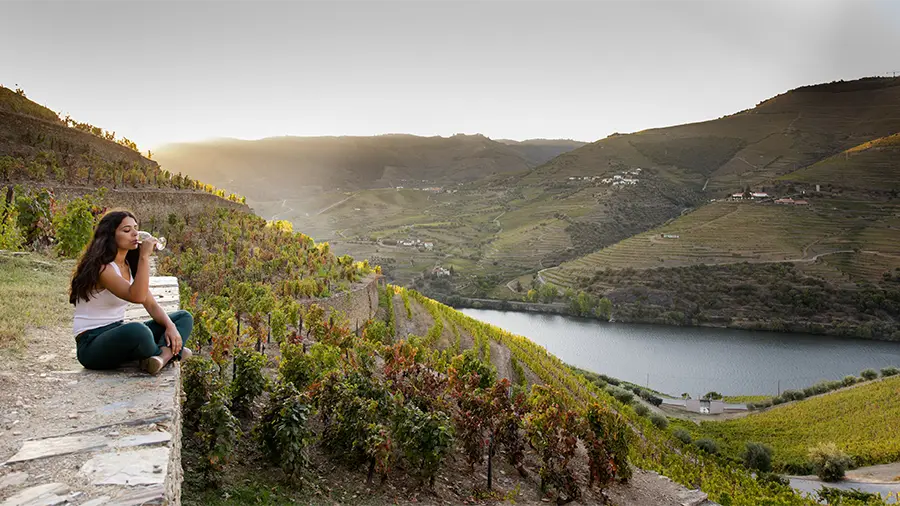
Beyond wine: São Salvador do Mundo is a viewpoint positioned high above the river with sweeping views and a pre-Roman chapel. Côa Valley Archaeological Park, about an hour’s drive away, houses Paleolithic rock carvings dating back 30,000 years in a museum designed to blend with the landscape. The Douro Historical Train runs between Régua and Tua along the riverbank, offering five vintage carriages and river views without requiring a car. Boat tours operate on several scales, from short river trips to multiday cruises. Anima Durius operates smaller, more intimate vessels including wooden boats.
The mistake most visitors make is overscheduling. The valley rewards slowness.
When to Go
September through October captures the grape harvest, when vineyards show autumn colors and estates run special events. Late spring through early autumn (May through September) offers reliable warm, long days suited to hiking and outdoor tastings. Winter and early spring are quieter and wetter but significantly less crowded. The timing depends on whether you want the valley full of activity or reflective and spare.
The practical advantage of hiring a car cannot be overstated. The attractions are spread across the region, and public transportation does not serve them reliably. A vehicle provides flexibility to follow light, weather, and mood rather than timetables.
Unlock the door to exclusive property opportunities in Portugal with our bespoke advisory services. We pride ourselves on providing objective, client-focused advice that empowers you to make informed decisions.
From market analysis to legal support, we cover every detail. Don’t miss out on your perfect Portuguese property, contact us to begin your journey.
