

Portugal’s specialty coffee scene has quietly moved beyond the country’s traditional espresso culture. Two Portuguese cafés now rank among the world’s 100 best coffee shops, a recognition that signals something larger: Portugal is competing at the highest level of the global coffee industry as a place where serious coffee work happens.
For visitors and residents exploring Portuguese food culture, these cafés represent more than caffeine. They reflect how Portugal’s food and beverage landscape has matured over the past decade, shifting toward craft, sourcing, and technique.
7g Roaster, Porto
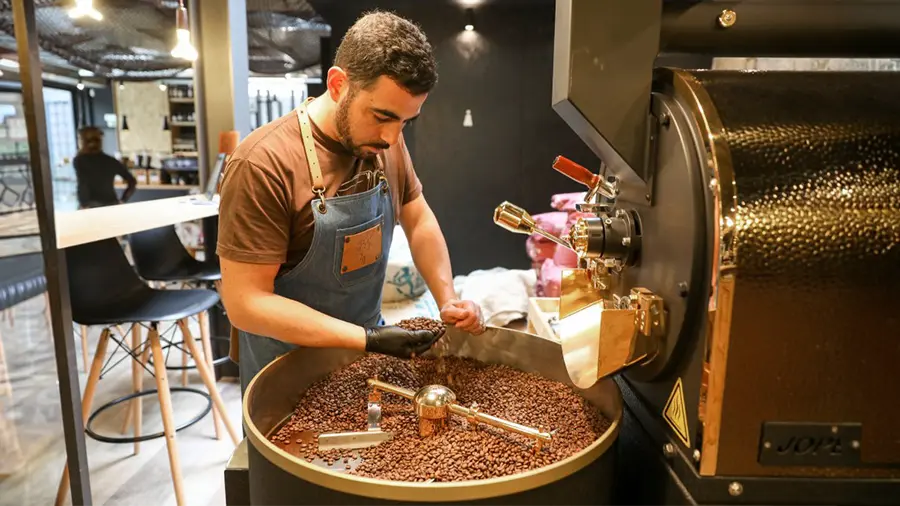
7g Roaster ranks #30 globally, the highest-performing café in Portugal’s coffee rankings. Located in Porto, the roastery focuses on precise roasting and directly sourced beans, operating with the technical discipline of a working coffee lab. The space itself is modern and intentional, built around the roasting process. For anyone serious about coffee, this is where to spend time to understand how quality specialty coffee actually tastes.
The Folks, Lisbon
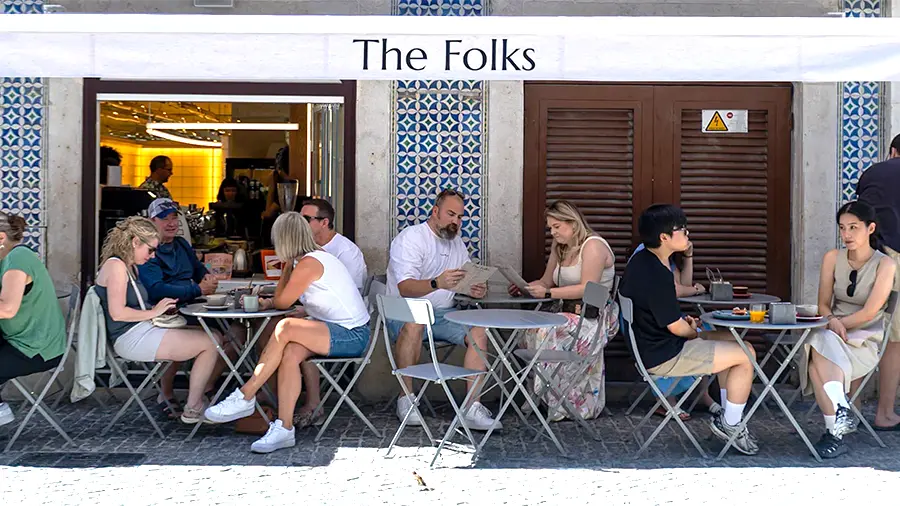
The Folks holds the #88 position globally and represents a different approach within Portugal’s specialty coffee movement. Based in Lisbon, it centers on traceability and balanced roast profiles, with a contemporary atmosphere designed for sustained work or conversation. The café operates with a quality-first philosophy that affects everything from bean selection to how the space is lit and arranged.
What changed in Portuguese coffee culture
Ten years ago, Portugal’s coffee identity was singular: strong espresso, small cups, standing at the counter. That culture remains. Alongside it, a new wave of roasters and baristas introduced lighter roast profiles, alternative brewing methods like pour-over and immersion, and direct trade sourcing through relationships with farmers.
Lisbon and Porto became the primary hubs for this shift, though specialty cafés now operate throughout the country. The transition happened quietly, driven by people who cared more about the coffee itself than about positioning Portugal as a coffee destination.
The recognition of these two cafés signals that Portugal’s specialty coffee movement has matured beyond experimentation. It competes directly with coffee cultures in Melbourne, Copenhagen, and Seattle. Portugal arrived later, but it arrived with seriousness.
For residents, this means access to high-quality coffee as a daily experience. For visitors, the coffee culture worth exploring is the working version where the practice matters.
Both cafés are designed as destinations worth visiting for the coffee itself. Plan time to spend there. An hour with a single cup reveals the roasting at 7g and the sourcing work at The Folks in the taste.
Unlock the door to exclusive property opportunities in Portugal with our bespoke advisory services. We pride ourselves on providing objective, client-focused advice that empowers you to make informed decisions.
From market analysis to legal support, we cover every detail. Don’t miss out on your perfect Portuguese property, contact us to begin your journey.
