
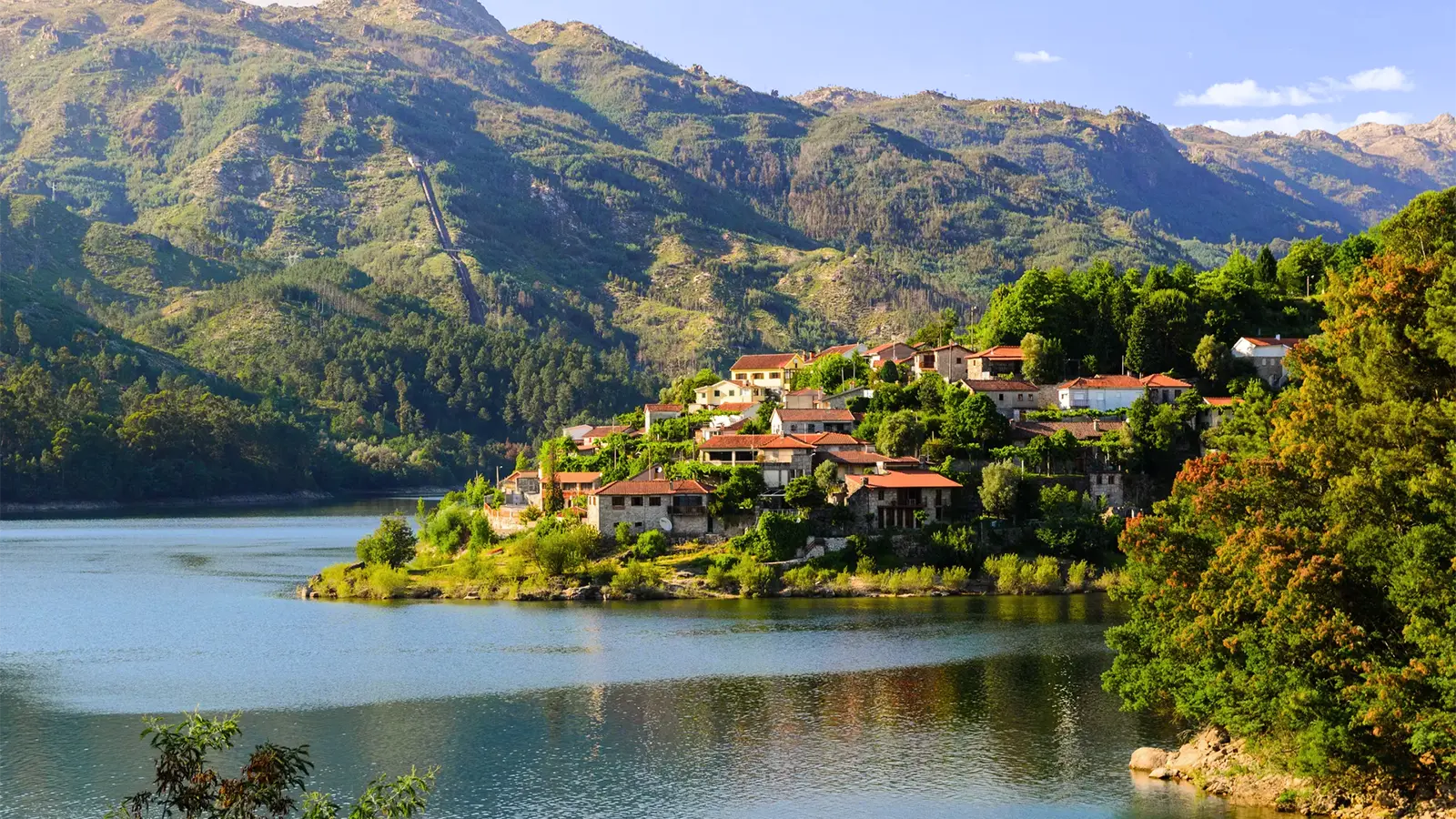
Demand for rural property in the Alentejo is being shaped by a combination of factors that have become harder to find in Portugal’s main urban markets: space, privacy and a slower pace of life.
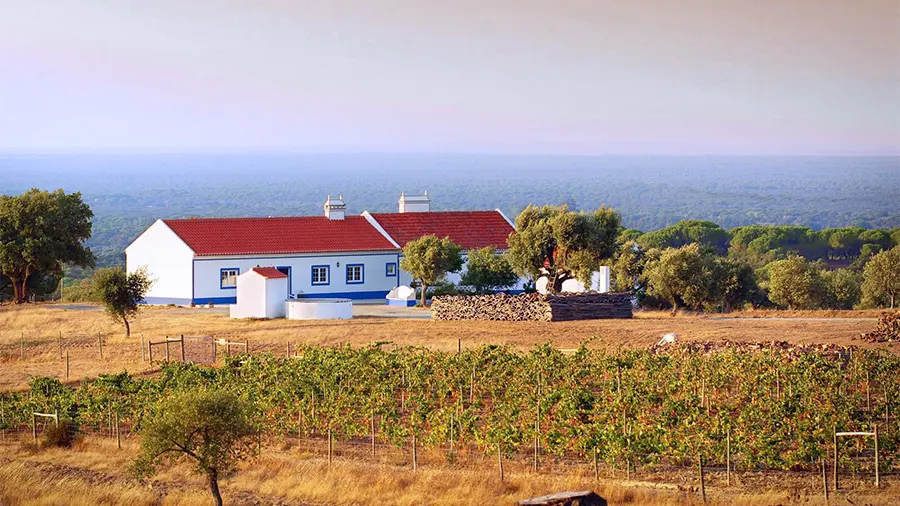
Traditional country properties, or montes, are attracting buyers looking for permanent homes, second residences and, in some cases, rural tourism projects. The appeal is straightforward.
Large plots, limited neighbouring development and access to open countryside offer a different proposition from Lisbon, Cascais or the Algarve’s more densely developed coastal markets.
That lifestyle, however, comes with a different set of property considerations.
In rural areas, infrastructure that would normally be taken for granted can become part of the purchase decision.
Water may come from the public network, a borehole or a well. Wastewater treatment may depend on a private system.
Electricity capacity, telecommunications coverage and road access can vary considerably between properties, even within the same municipality.
Older buildings also require closer scrutiny. Many traditional homes were constructed for a very different standard of year-round occupation.
Roofs, insulation, heating and cooling can add substantially to renovation costs, while the legal status of existing buildings and outbuildings should be established before any assumption is made about rehabilitation or expansion.
The size of the land is another area where buyers need to look beyond the headline figure. Rural planning classifications, agricultural and ecological protections and restrictions affecting cork and holm oaks can limit what can be built or altered.
A property with several hectares does not necessarily offer extensive development rights.
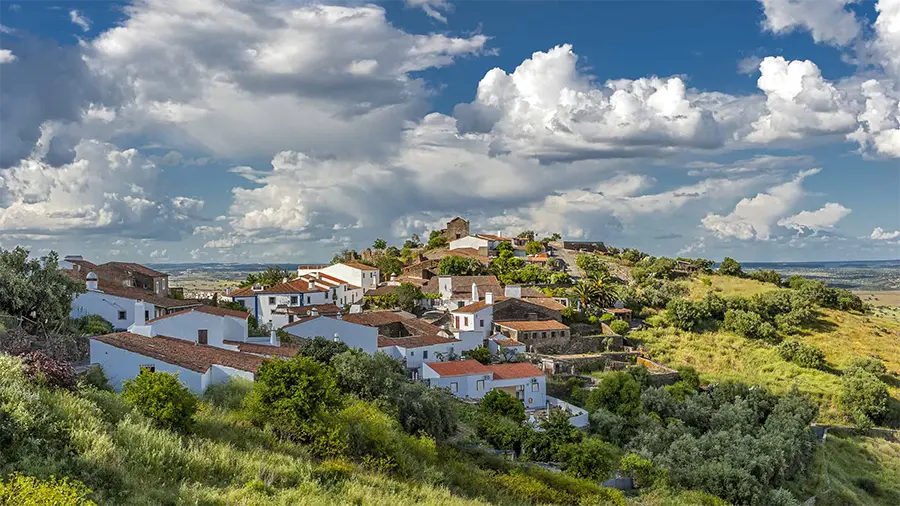
Location remains one of the main factors separating values across the region.
The Alentejo coast, Alcácer do Sal and areas around Montemor-o-Novo command higher prices in part because they retain relatively easy access to Lisbon and, in some cases, the Atlantic.
Around Évora and Beja, buyers can find larger rural properties while remaining close to established regional centres and services.
Further north, particularly in the Portalegre district, budgets generally stretch further, although distance from major transport links and specialist services becomes more relevant.
The result is a market where apparently similar properties can carry very different costs once infrastructure, renovation and legal constraints are taken into account.
The Alentejo’s appeal rests on the qualities buyers increasingly value: land, privacy and distance from urban density.
But those advantages make due diligence more important, not less. In this market, understanding the property means understanding far more than the house itself.
Unlock the door to exclusive property opportunities in Portugal with our bespoke advisory services. We pride ourselves on providing objective, client-focused advice that empowers you to make informed decisions.
From market analysis to legal support, we cover every detail. Don’t miss out on your perfect Portuguese property, contact us to begin your journey.
