
Direct flights from major North American cities to the Algarve are now more frequent than they have been in years, making southern Portugal’s most popular region significantly more accessible to American and Canadian travelers in 2026.
For those considering a trip, this shift matters because it changes the calculus: what once required a connection through Lisbon or another hub now means a direct arrival in Faro, cutting travel time and the friction that deters many North Americans from considering Europe at all.
Direct Flight Availability
Faro Airport has received substantial investment to handle increased capacity, with reinforced partnerships between regional tourism authorities and major international carriers. Direct routes now connect Faro to New York, Boston, Los Angeles, and Toronto, creating a competitive alternative to other European beach destinations.
For North Americans accustomed to driving to Caribbean resorts or flying to Mexico, a seven-to-eight-hour flight to the Algarve is now comparable in convenience to many domestic long-haul options.
Flight availability reduces the psychological barrier to choosing Europe. Direct flights also tend to depart in evening hours, allowing travelers to arrive in the morning, recovering a full day of the trip.
The Luxury Market Positioning
The Algarve’s tourism promotion focuses on high-end travelers. Algarve Tourism (RTA) pursues a deliberate strategy to attract visitors willing to spend on five-star accommodations, fine dining, and curated experiences.
Wine tourism has emerged as a primary selling point. The region’s wine estates now offer curated experiences pairing tastings with meals at regional restaurants, a model particularly effective with affluent North American travelers.
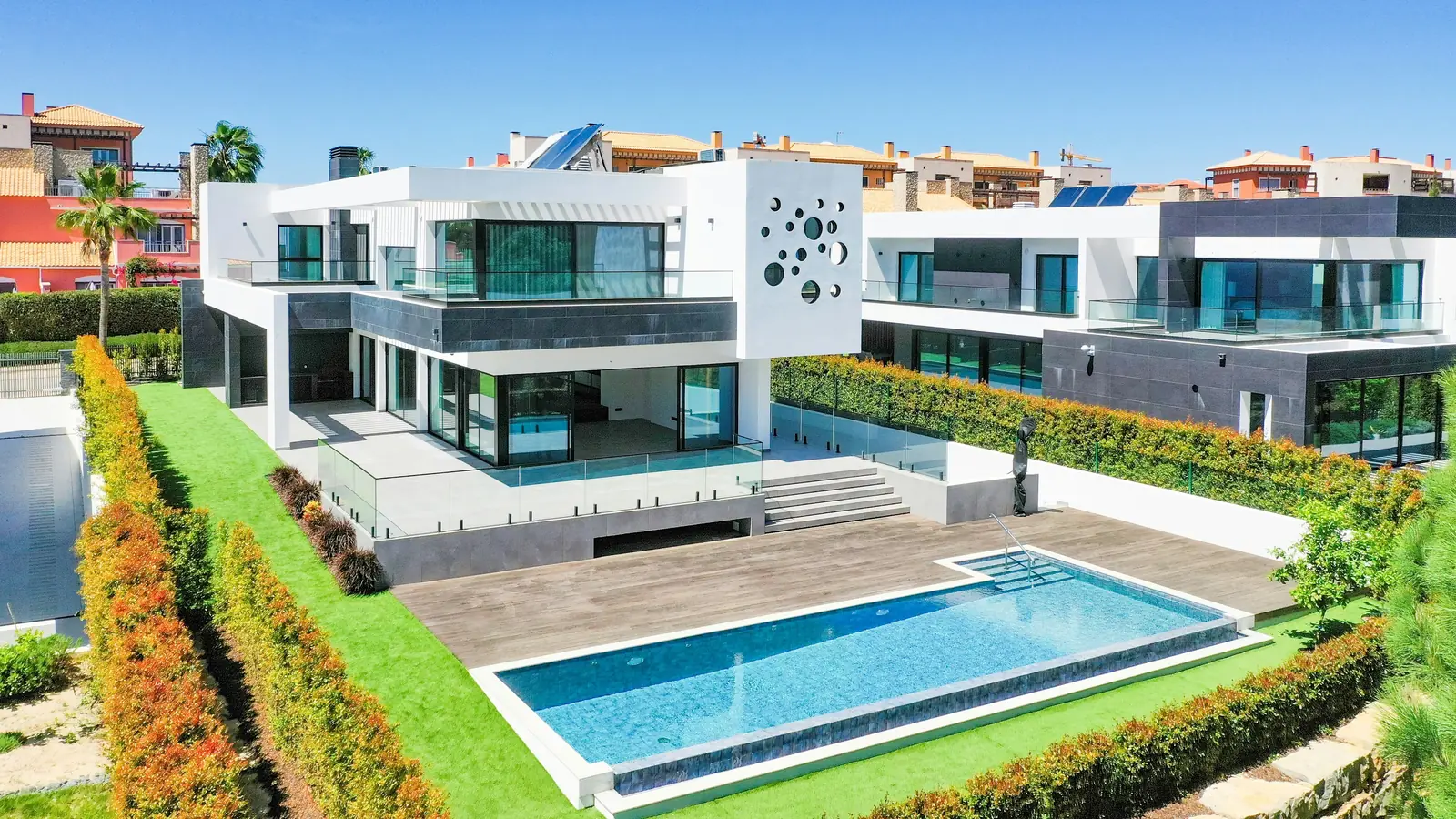
Private yacht rentals, championship golf courses, and coastal villa rentals are packaged alongside these experiences.
Luxury positioning delivers better service standards and fewer crowds than mass-market European beach destinations. The infrastructure investment in airports, roads, and public transportation has been marketed alongside these premium offerings.
When to Visit and What to Expect
The Algarve in summer is crowded, with beaches packed and traffic congested. Autumn and spring offer the same weather with far fewer tourists. Winter brings rain but mild temperatures and dramatic light on the coastline. Many of the luxury properties and wine experiences operate year-round, though some estates adjust their schedules seasonally.
The coast itself divides into distinct characters. The western Algarve around Sagres is wilder, with dramatic cliffs and smaller beaches. The central coast near Albufeira is more developed and commercialized.
The eastern Algarve toward the Spanish border is quieter and less built-up. For North Americans unfamiliar with Portugal, understanding these differences before booking accommodations prevents mismatch between expectation and reality.
What lies beyond the beach
Many visitors arrive expecting beach-focused vacations and discover the region’s interior. Small towns like Loulé and São Brás de Alportel offer local food markets, traditional architecture, and the kind of Portuguese daily life that resort areas do not. A three-hour drive north reaches the Monchique Mountains, with hiking and views across the coast.
Direct flights and luxury packaging make the Algarve more accessible. The region rewards travelers who invest time beyond the resort or beachfront hotel. The regional tourism board’s emphasis on wine and culinary experiences reflects this approach.
The best experiences combine coastal relaxation with exploration of inland towns and estates.
Unlock the door to exclusive property opportunities in Portugal with our bespoke advisory services. We pride ourselves on providing objective, client-focused advice that empowers you to make informed decisions.
From market analysis to legal support, we cover every detail. Don’t miss out on your perfect Portuguese property, contact us to begin your journey.
